

I once spent an entire Tuesday afternoon staring at a paytable in Northbridge without understanding why the numbers mattered. That was a long time ago, before I learned how return-to-player figures actually feed into a bankroll plan. A budget player counting every dollar needs to know what measured RTP pokies calculated AUD really means before they hand over their credit card. The phrase sounds technical, but it is simply the percentage of wagered money a machine is designed to return over a defined cycle. When you convert that percentage into Australian dollars, you can see exactly how a fifty-dollar session might behave over time. My background in digital strategy and paid search taught me to treat these figures like conversion metrics on a landing page. You do not judge a campaign by one click, and you do not judge a pokie by one spin. The local market has shifted in the last couple of years, with more operators publishing volatility data alongside their return percentages. That change matters because a budget player in Perth who counts every dollar needs more than a glossy welcome bonus. You want the raw arithmetic, not a marketing pitch dressed up as a community event.
Return percentages decoded
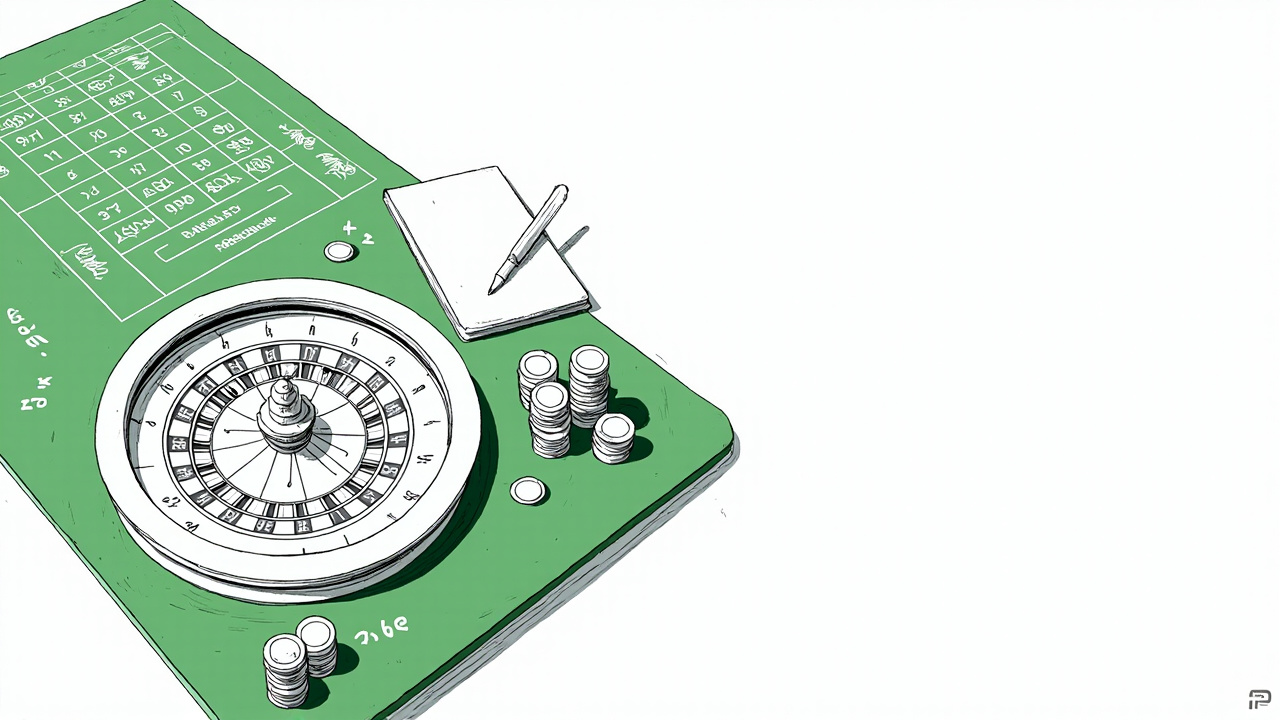
A return percentage is not a promise of what you will walk away with on a single night. It is a long-run expectation built from thousands of simulated spins under controlled conditions. A machine rated at ninety-six percent theoretically returns ninety-six dollars for every hundred dollars wagered, but the timing of those returns is scattered across sessions. Some players hit a return early, others grind through a dry patch, and the mathematics only smooths out over a large sample. That distinction is where most casual punters lose their way, because they treat a session as a single data point instead of a slice of a much longer curve. The local market has shifted toward clearer disclosure, which means you can now compare the published figures before you load a game. A good operator will show you the volatility rating alongside the return percentage, so you know whether the payouts arrive in small frequent drips or rare large bursts. You should treat those numbers the way I treat keyword difficulty scores in paid search: they tell you how competitive a position is, not whether you will win it tomorrow. The spinaud casino australia showcase is one place where operators display those published figures in a format that is easier to scan than a buried help file.
Perth venue notes
A Saturday night in Perth feels different from a Wednesday afternoon, and the crowd around the machines reflects that change. You might walk through Crown Perth on a busy evening and see a row of high-limit machines drawing a steady stream of notes, while the lower-limit floor stays quieter. The sporting calendar shapes that rhythm too, because a State of Origin clash or an AFL Grand Final can pull casual players into the venue who would otherwise stay home. A budget player needs to recognise that venue traffic changes the pace of play, not the underlying return percentage of the machine. The return percentage stays fixed by design, but the environment changes how quickly you burn through a session. A dry spell during a big match can feel longer because the surrounding noise and excitement make every near-miss sting more. That is why I always tell people to separate the atmosphere from the arithmetic. A machine does not care whether the room is cheering for a try or a goal, and the published figures do not shift with the scoreboard. You can check the local payout disclosures at the venue desk, but you will usually find them buried in a printed booklet rather than a clean online dashboard.
| Feature | Visiting a Perth venue | Playing online |
|---|---|---|
| Session pacing | Slower during big match nights, faster on quiet weekdays | You set the pace, but impulse reloads can speed it up |
| Published figures | Usually in a printed booklet or on a small kiosk screen | Often listed in the game info panel or help section |
| Bankroll visibility | Cash or ticket notes in hand, easier to count physically | Digital balance that can blur how much you have spent |
| Return percentage access | Requires asking staff or reading a venue document | Usually one or two taps into the game details |
The table above shows why the same return percentage can feel very different depending on where you sit. A venue visit gives you physical notes and a clear stop point when you walk out the door, but it also ties your session to opening hours and crowd pressure. Playing online removes the travel and the match-day rush, yet it puts the reload button right under your thumb and the balance on a screen that does not feel like cash. A budget player counting every dollar should weigh those trade-offs before they decide where to play. The arithmetic does not change, but the friction around your wallet does.
Step by step for beginners
If you are new to this, treat the first few sessions like a test campaign with a capped budget. The following steps keep you focused on the numbers rather than the noise.
- Pick one game and read its published return percentage and volatility rating before you load it.
- Decide on a session limit in Australian dollars and write it down somewhere visible.
- Convert the return percentage into a rough expectation by multiplying your session limit by the published figure.
- Track your actual spend and any returns in a simple note on your phone.
- Stop the session when you hit your limit, regardless of whether you are ahead or behind.
- Compare your results across three separate sessions before you decide whether the game suits your bankroll.
- Move on if the real outcomes sit far below the published expectation over that small sample.
That routine sounds boring, but it is the same discipline I use when I audit a paid search account before scaling spend. You do not throw more budget at a campaign that has not earned it, and you do not chase a machine that has not paid out in a way that matches its published figures. A beginner who follows that process will learn far more in three disciplined sessions than in a dozen impulsive ones.
I apply that same filter to every new opportunity, verifying the data before committing any capital. If a platform refuses to show its ledger, I walk away just like I would with a losing ad set. That mindset keeps my cash safe, even when I am researching broader markets like [Australian gambling communities] (https://reddit.com/r/australiangambling).
Community chatter and reality checks
The conversation around these figures has moved from whispered myths to actual screenshots and forum threads. A quick glance at the australian gambling reddit community shows players swapping session notes and asking whether a published percentage holds up in practice. That kind of chatter is useful because it exposes the gap between a long-run expectation and a single evening. A named punter I have followed for a while, a Perth-based budget player we will call Dave, started with fifty dollars on a ninety-six percent machine and tracked three sessions of twenty minutes each. His first session returned thirty-eight dollars, his second returned fifty-two, and his third returned forty-one, which is a rough spread around the published expectation rather than a clean match. Dave did not treat any single result as proof, and he did not reload after a dry patch just because the numbers looked unlucky. He used the published figure as a guide for how much he was willing to risk, not as a promise of a specific payout. That is the mindset a budget player needs, because the local market now gives you more data than ever before. You still have to interpret it without turning a long-run percentage into a short-term guarantee.spinaud casino australia
The shift toward clearer disclosure has not made the sistemaparaprestamistas.com games easier, and it has not removed the variance that defines every session. A budget player who counts every dollar should treat the published figures as a planning tool, not a payout guarantee. Use the numbers to set a session limit, track your actual results, and walk away when the limit is hit.
